
Pelvic Floor Physiotherapy offers significant benefits by improving bladder/bowel control,reducing pelvic pain,aiding postpartum recovery and preventing pelvic organ prolapse,leading to better overall quality of life for men, women,and children by strengthening or relaxing pelvic floor muscle for better core stability and body function.
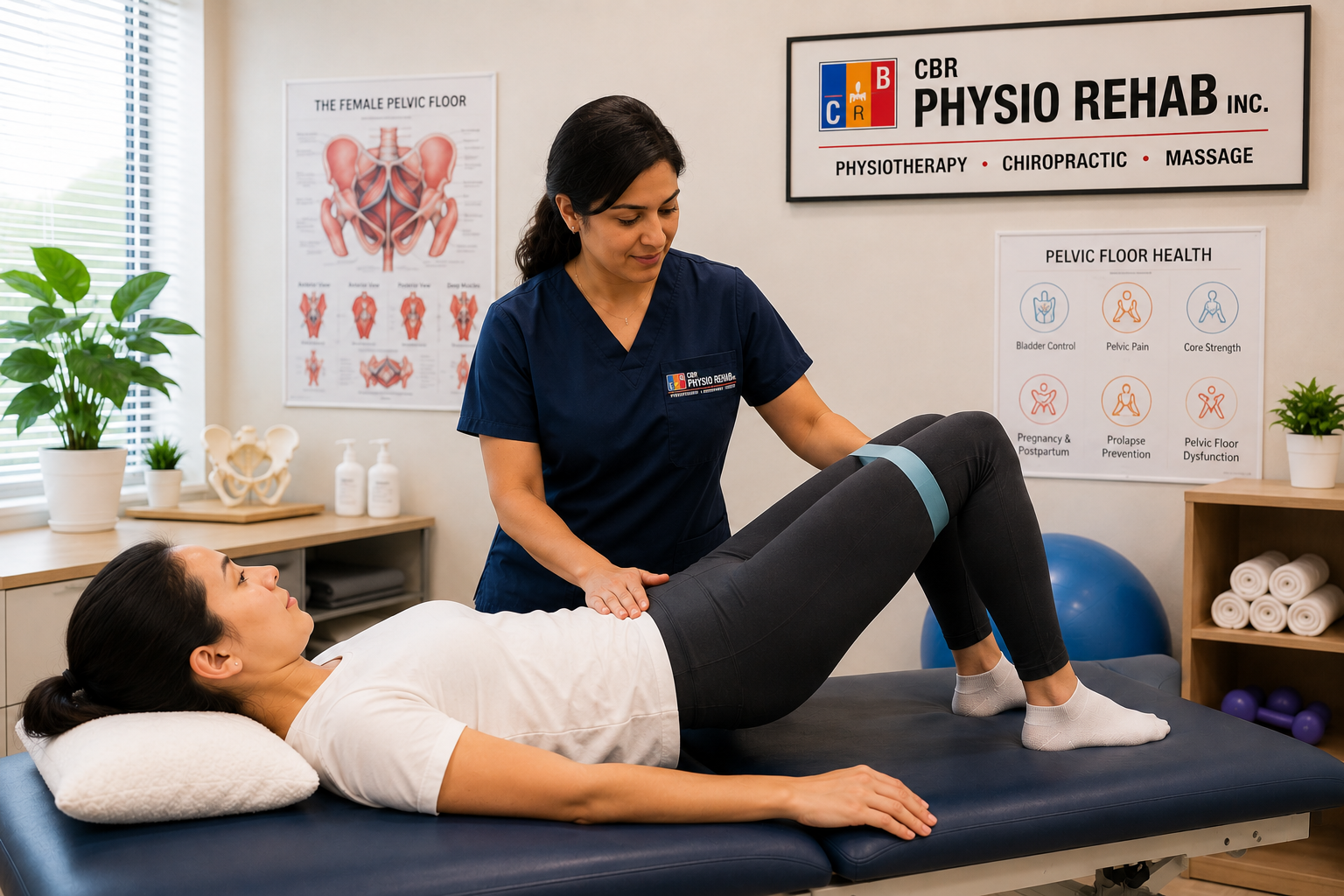
The first step in pelvic floor physiotherapy is a thorough assessment. A trained pelvic floor physiotherapist will conduct a detailed evaluation, which may include discussing your medical history, symptoms, and goals, as well as performing physical examinations and tests to assess the function and strength of your pelvic floor muscles.
Education is a fundamental aspect of pelvic floor physiotherapy. The physiotherapist will provide information about the anatomy of the pelvic floor, the role of these muscles in various functions, and how they can be affected by specific conditions or habits. Education helps patients better understand their bodies and the importance of pelvic health.
Pelvic floor exercises, often called Kegel exercises, are a core component of pelvic floor physiotherapy. The physiotherapist will teach you how to perform these exercises correctly to strengthen and coordinate the pelvic floor muscles. They may incorporate other exercises to address specific muscle imbalances or weaknesses depending on your condition.
Techniques may sometimes be used. This may include hands-on manipulation or massage techniques aimed at releasing muscle tension, enhancing blood circulation, and targeting trigger points within the pelvic floor and its surrounding areas.
Biofeedback is a method that provides visual or auditory feedback on muscle activity. It can help patients learn how to contract and relax their pelvic floor muscles more effectively. Biofeedback devices may be used during therapy sessions.
Proper breathing techniques and posture play a significant role in pelvic floor health. Your physiotherapist may teach you how to breathe and maintain good posture to support optimal pelvic floor function.
Your physiotherapist may guide lifestyle factors affecting pelvic health, such as diet, fluid intake, and toileting habits. Behavioural modifications can be significant for individuals with urinary or bowel issues.
In addition to in-office therapy, you will likely be given a personalized home exercise program to continue your pelvic floor exercises and self-care between sessions.
Your progress is monitored throughout treatment, with adjustments made to your plan as needed — ensuring steady improvement toward your therapeutic goals.
Pelvic floor physiotherapy is highly individualized — the specific techniques and interventions used depend on your unique needs and condition. Working closely with a professional pelvic floor physiotherapist who can tailor therapy to your specific concerns is essential to achieving optimal pelvic health.
Book a session with the practitioner best suited to your needs — our team will confirm your appointment within one business day.
WhatsApp us